
Fire Damage vs. Water Damage: Key Differences and Restoration Strategies
Understanding Fire Damage and Water Damage
When disaster strikes, understanding the differences between fire damage and water damage is crucial for effective restoration. Both types of damage can be devastating, but they require distinct approaches to recovery. Knowing these differences can help property owners make informed decisions and expedite the restoration process.
Fire damage is often associated with visible destruction, such as charred structures and smoke residue. Water damage, on the other hand, can be more insidious, often leading to mold growth and structural weakening. Let's explore these damages further to understand their unique characteristics.
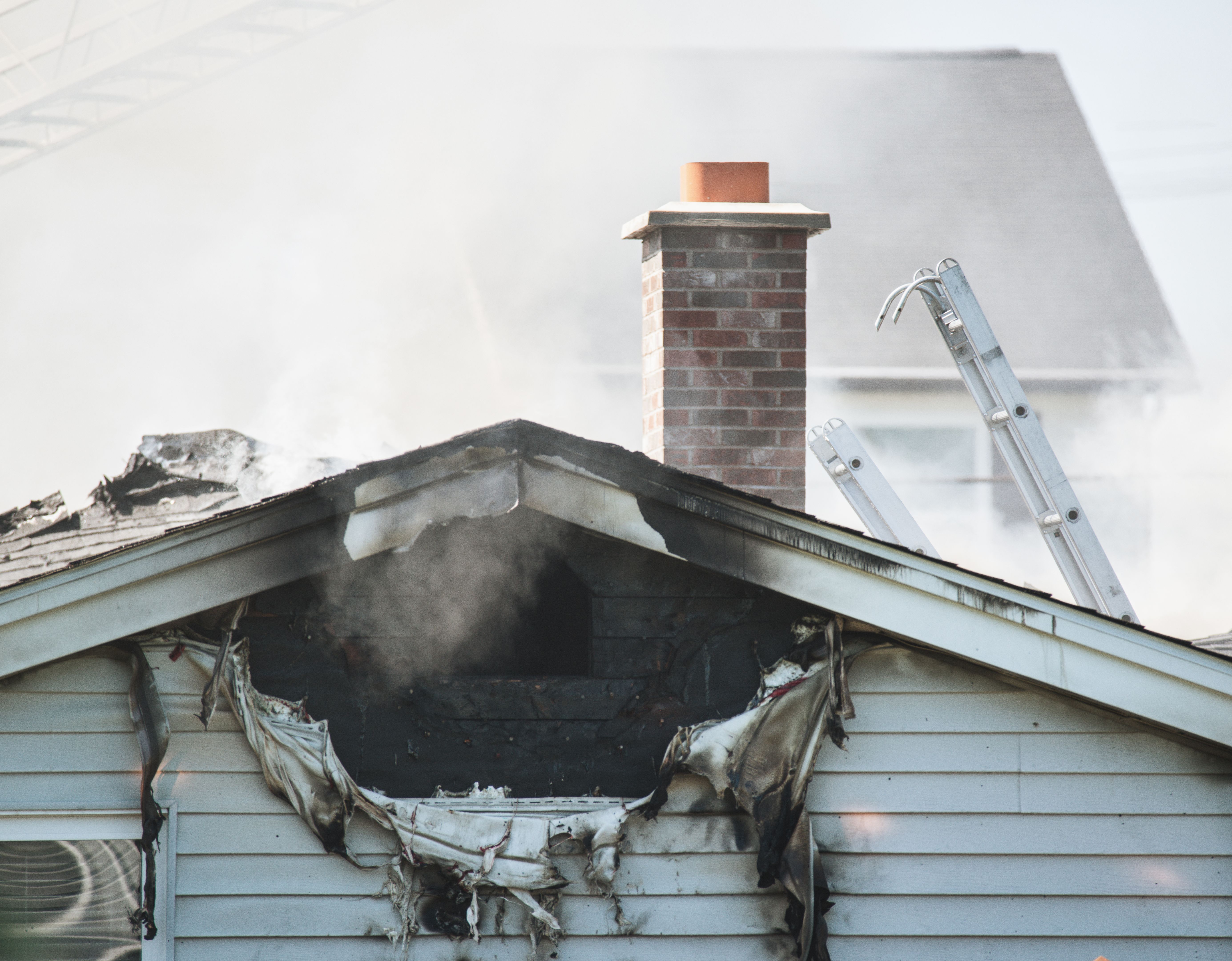
Characteristics of Fire Damage
Fire damage typically results in the immediate destruction of property. The intense heat can warp and melt materials, while smoke and soot can permeate surfaces, leaving behind unpleasant odors and stains. Additionally, the firefighting process may introduce water damage, compounding the overall impact.
Restoration after a fire involves removing debris, cleaning soot, and deodorizing affected areas. It's essential to address both the visible and hidden damage to ensure a safe and habitable environment.
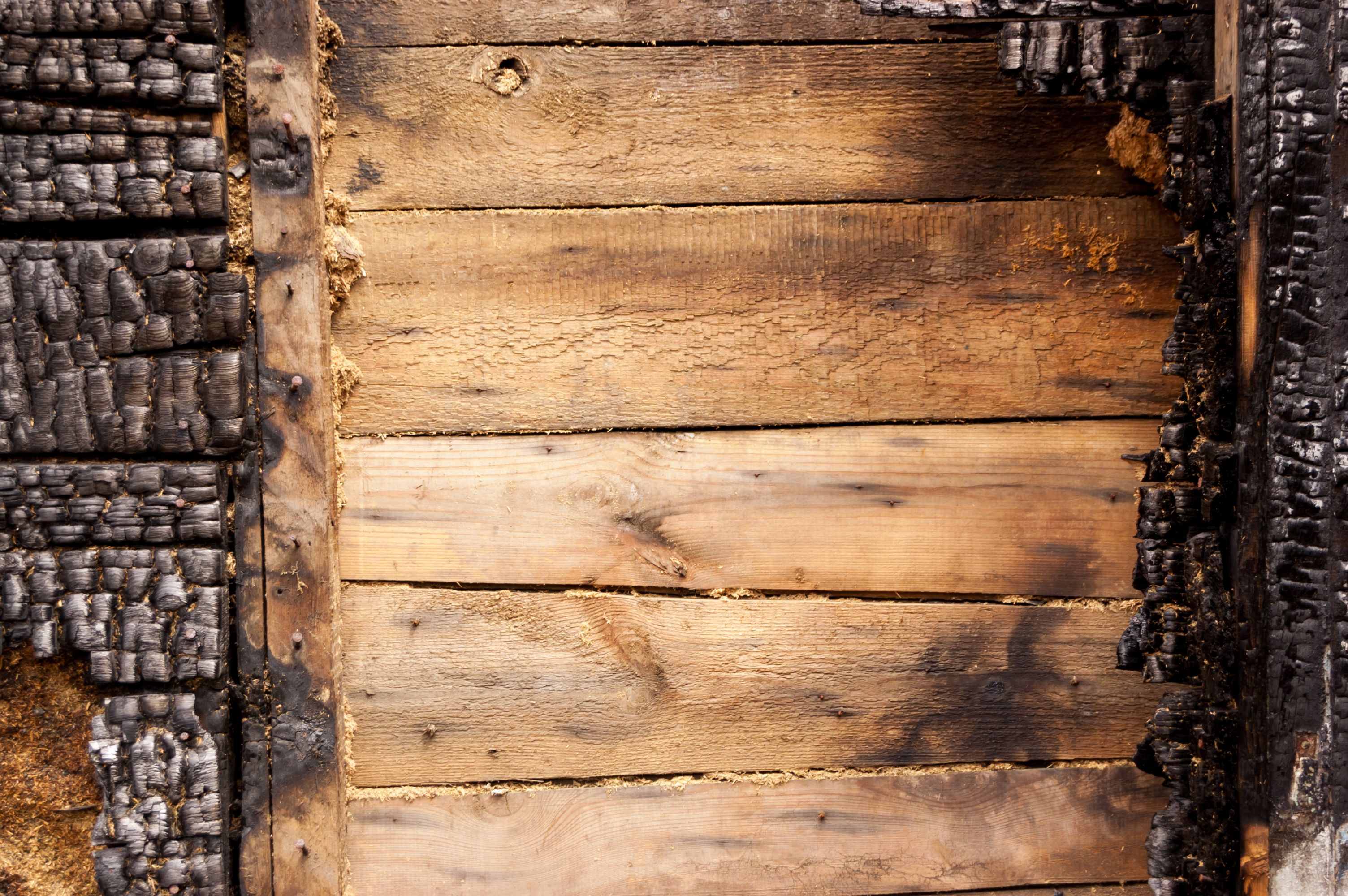
Characteristics of Water Damage
Water damage occurs when excess water infiltrates a property, often due to floods, leaks, or burst pipes. This can lead to saturation of materials, causing them to swell, warp, or rot. Over time, water damage can promote mold growth, presenting health risks.
Addressing water damage involves removing standing water, drying out affected areas, and preventing mold growth. Quick action is necessary to minimize long-term damage and ensure structural integrity.
Restoration Strategies for Fire Damage
Effective fire damage restoration requires a systematic approach:
- Assessment: Evaluate the extent of the damage to determine the necessary repairs and cleaning.
- Debris Removal: Clear out all charred materials and debris to prevent further contamination.
- Cleaning and Deodorization: Use specialized equipment to clean soot and smoke residues and remove odors.
- Repair and Rebuild: Restore structural elements and replace damaged materials to return the property to its pre-fire condition.
Restoration Strategies for Water Damage
Water damage restoration also follows a structured process:
- Inspection: Identify the source of the water and assess the damage.
- Water Removal: Use pumps and vacuums to eliminate standing water quickly.
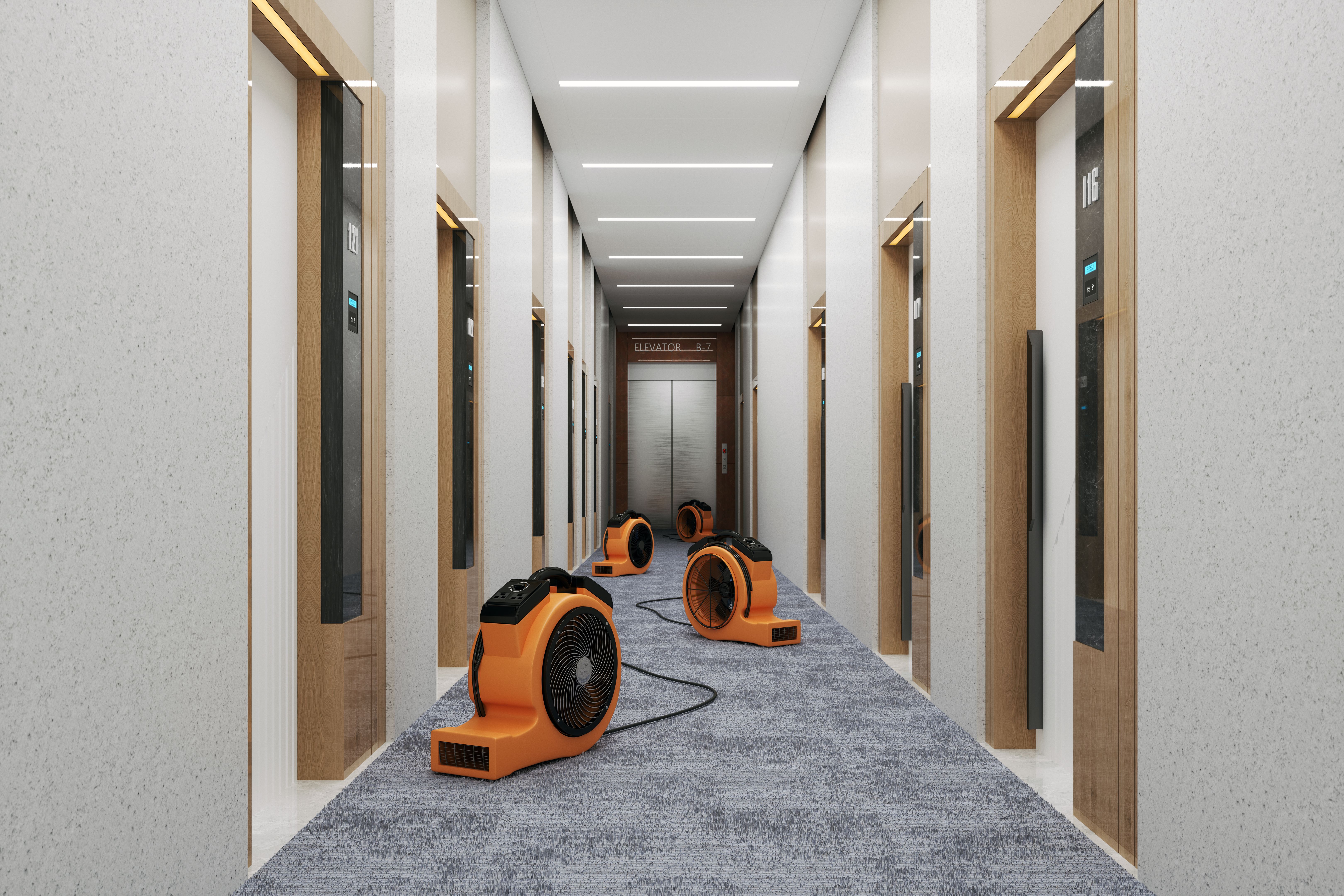
- Drying and Dehumidification: Employ air movers and dehumidifiers to dry out spaces and materials.
- Sanitization and Repair: Clean affected areas to prevent mold growth and repair any structural damage.
Choosing the Right Restoration Professionals
Both fire and water damage restoration require specialized knowledge and equipment. It's crucial to hire experienced professionals who can effectively manage the restoration process. Look for certified technicians with a track record of success in handling similar situations.
In conclusion, understanding the key differences between fire and water damage can guide property owners in selecting the appropriate restoration strategies. By acting swiftly and enlisting the help of knowledgeable professionals, you can restore your property to its original state efficiently and safely.